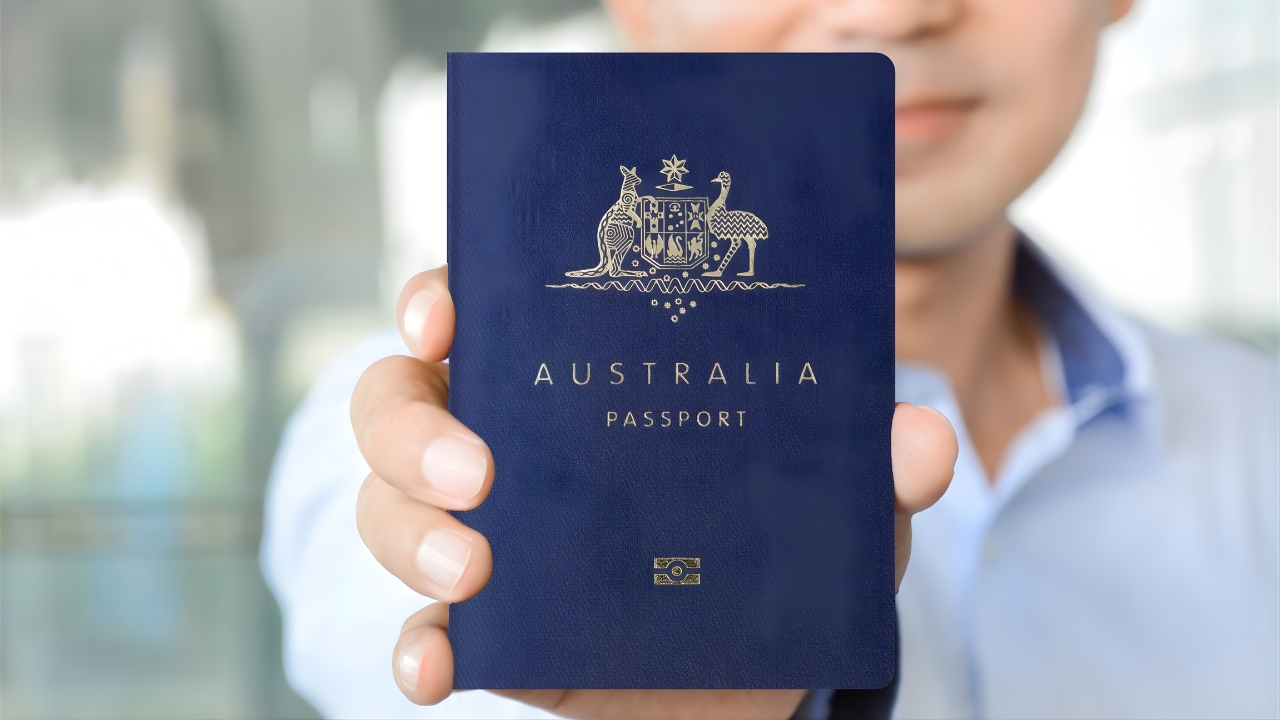
Travel in that year 2026 has meanwhile become a shelter significantly for safety and health conditions specifically for Australian seniors wanting to travel abroad. There are no difficult new restrictions; still, a few important passport and travel rule changes may prevent boarding or entry into outgoing countries.
The 6-month passport validity rule
Some guys undoubtedly need to be aware of the 6-month validity rule. Various countries now require a passport to be valid for at least six months beyond travel dates.
In 2026, airlines are coming on this point a lot stricter. You will not be permitted to board the plane if, though the passport is not expired, it does not respect the above-stated requirement. This rule is particularly important for seniors who hardly travel and may think the passport still is valid.
Apply sooner than ever before
To avoid any inconvenience, the Australian Passport Office is recommending that travelers apply for their passports at least six weeks in advance.
Various factors affect the duration of visa issuance, particularly during the busy travel seasons. Missing documents, wrong information, or low volumes of applications can create delays causing the passengers to cancel their travel plans.
Also Read: Centrelink Pension Increase 31 March 2026: What’s Changing With Weekly Payments
Passport fees in 2026
The rise in prices is another significant and rather pertinent issue for the aged group; they have now, in the meantime, almost become their unanimous enemy. A 10-year passport, for example, now costs approximately $422, with five-year passports very close to this for which the price will be around $213.
This is highly important in favor of senior citizens on fixed incomes. This makes early planning essential to avoid the extra charges for urgent processing.
Stricter prerequisites about proof of identification and documents
They have toughened their proof of ID and document checks in 2026. They now look much more carefully rather than on a superficial level. Now even little discrepancies, such as name mismatch or wrong picture, can result in delays!!!
Australia has introduced biometric passports with facial recognition, a system that is also being used in airports at SmartGates.
Also Read: Why $730,000 Isn’t Enough : Super Target Slammed – Real Retirement Numbers & What You Need Instead
This is why passengers have to demonstrate that every detail on their passport and other Identity documents has to match precisely.
Do remember that there are new rules for international travel
They say it is best to know that some destinations are now requiring some pre-travel approvals for all Australian passport holders. For instance, people planning trips to the UK are now to be mandatory first to have an Electronic Travel Authorisation (ETA).
Because throughout this time, this has been becoming a more frequent scenario globally, there is most essentially the need to check each requirement before the hour of departure.
Emergency passports are not for all times
In case of an emergency, a provision for an emergency passport is still kept in place, yet this comes with some restrictions. These restrictions exempt them but still pocket them enough room for short terms and acceptance in some countries for visa-free travel.
Also Read: New Super Withdrawal Rules in 2026 Could Cut Centrelink Benefits for Many Australians
Emergency passports, in this context, are the last, sparsely preferred treatment, not reliable backup measures, after all.
Senior citizens are thereby hit the most
Older travellers are most likely more affected than younger ones since they ordinarily travel less frequently; they also are possibly less aware of the rules in time. Even those tiny inconsistencies, like passport expiry dates or the entrant’s scarce documents, are likely to alter the attention conditions entirely.
By 2026, systems were expected to have turned more fully automated and hence aggressive, with little capacity at the airport to solve these problems.
Conclusion
More than ever before, seniors from Australia have to absolutely plan for any flight in 2026. The major changes brought in require tighter passport validity rules, increased processing times, higher costs, and tighter checking of necessary documents.